How Prosthodontics, Implants, and Crowns Work Together to Restore Function
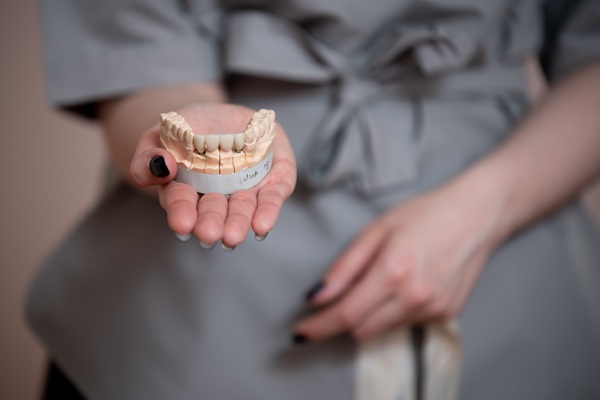
Prosthodontics helps rebuild damaged or missing teeth with restorations that look natural and function well, often working alongside implants and crowns to restore comfortable chewing. When teeth become worn, broken, or missing, the bite can lose balance, and the jaw may work harder than it should. Modern restorative dentistry uses careful planning and precision materials to rebuild a stable, attractive smile. Understanding how implants and crowns fit into prosthodontics makes it easier to see why these treatments often succeed together.
The relationship between prosthodontics, implants, and crowns
Prosthodontics is the area of dentistry that centers on restoring teeth and replacing missing ones with durable, functional restorations. This may include crowns, bridges, dentures, implant-supported restorations, and full-mouth rehabilitation planning. While prosthodontists receive advanced training in complex cases, many general and cosmetic dentists also incorporate prosthodontic principles to rebuild smiles with predictability. The central goal remains the same: create restorations that fit well, support the bite, and withstand daily use.
A prosthodontic approach considers more than individual teeth. It evaluates the entire bite relationship, jaw joints, muscle function, and how the teeth should work together during chewing and speaking. When this full-picture planning is used, restorations tend to feel more natural and last longer. That is why prosthodontics often serves as a guiding framework when implants and crowns are included in the treatment plan.
How dental implants support restoration
Dental implants serve as artificial tooth roots that anchor restorations directly to the jawbone. They support single crowns, bridges, or full-arch restorations, depending on how many teeth are missing and where the gaps occur. By integrating with bone, implants provide stability that traditional removable options cannot match. This stability helps distribute chewing forces more evenly and reduces strain on surrounding teeth.
Implants also help limit jawbone loss that often follows tooth removal or long-term tooth loss. Without the stimulation of a root, the bone in that area tends to resorb, changing facial shape and making restorations more difficult over time. Considering implants transmit biting forces into the bone, they encourage the jaw to maintain density. When combined with prosthodontics-focused planning, implants become a powerful foundation for restoring function.
Why crowns play a central role in treatment plans
Crowns restore teeth that are cracked, heavily filled, worn down, or weakened by decay. They cover the visible portion of the tooth and reinforce the structure so the tooth can handle normal chewing forces again. Crowns also restore proper tooth shape, which improves how upper and lower teeth meet and glide during movement. When a crown is designed with the bite in mind, it can relieve stress on the jaw and protect neighboring teeth from uneven wear.
In addition, crowns are often key to implant restoration. After the dentist places an implant and it fully integrates, they may attach a crown to it using an abutment or connector. Other options include implant-supported bridges or dentures. The crown creates a replacement tooth that looks and functions like a natural one, without relying on adjacent teeth for support. Prosthodontic principles help ensure the crown fits precisely, matches surrounding teeth, and supports a balanced bite.
How prosthodontics, implants, and crowns work together
Restoring function requires more than placing strong components in the mouth. The implant must support ideal biting forces, and the crown must meet the opposing tooth correctly. Prosthodontics provides the planning framework that connects these details into a single, coordinated strategy. This is especially important when multiple teeth are missing, when teeth have shifted, or when the bite has collapsed due to long-term wear.
Treatment often begins with an evaluation of gum health, bone levels, bite alignment, and existing restorations. Digital imaging, intraoral scans, and diagnostic models help map where implants should go and how the final crowns should look. When implants and crowns follow a prosthodontics-based plan, the final result tends to feel stable, comfortable, and natural during chewing. This coordination also reduces complications such as loose crowns, bite discomfort, or uneven wear.
Long-term maintenance and protection
After restoration, long-term function depends on ongoing care. Professional cleanings help protect gum tissue around crowns and implants, and regular exams allow early detection of bite changes or wear. Patients often benefit from nightguards when clenching or grinding is present, since excessive forces can strain the restorations and jaw joints. A consistent home routine that includes brushing, interdental cleaning, and the use of dentist-recommended tools helps keep tissues healthy and reduce inflammation around implants.
Call us for more information
Many restorative cases benefit from combining implants and crowns within a prosthodontics-based treatment plan. This approach often works well when replacing missing teeth without reshaping healthy neighboring teeth, helping preserve natural tooth structure and long-term stability. If this sounds like it can benefit your oral case, contact our office for more information or to schedule a consultation.
Request an appointment here: https://www.dentistoaklandca.com or call Laurel Smile Dentistry at (510) 530-3317 for an appointment in our Oakland office.
Check out what others are saying about our dental services on Yelp: Prosthodontist in Oakland, CA.
Related Posts
Prosthodontics helps rebuild damaged or missing teeth with restorations that look natural and function well, often working alongside implants and crowns to restore comfortable chewing. When teeth become worn, broken, or missing, the bite can lose balance, and the jaw may work harder than it should. Modern restorative dentistry uses careful planning and precision materials…
Dental implants are a long-term solution for replacing one or more missing teeth. Choosing an implant dentist to administer treatment is an important decision. An experienced dentist can ensure a successful treatment process and long-lasting results. When trying to find an implant dentist to effectively perform this procedure, you should consider the following factors.One of…
An implant dentist provides specialized expertise to restore oral function and promote long-term dental health after dental implants become compromised. Everyone deserves a full, healthy smile, which is why understanding the importance of prompt, professional care is essential when implants sustain damage. Delaying treatment can lead to further complications, including infection and bone loss. Here…
An implant dentist can help people who are missing one or more teeth restore the appearance and function of their smile. These dental professionals specialize in dental implant procedures that can help promote long-term oral health. They also offer follow-up care and support for those who need to repair or replace their restoration.Tooth loss affects…